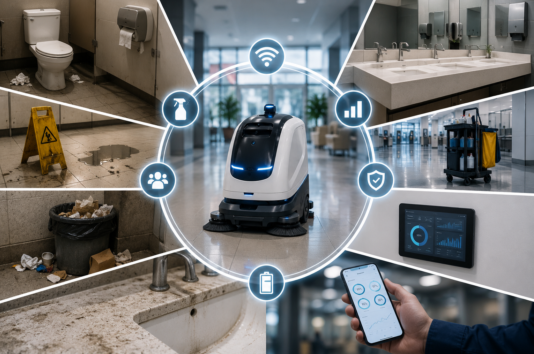
Public facilities in New Zealand face relentless hygiene challenges that traditional cleaning methods often fail to resolve effectively. Shopping centres, stadiums, schools, and public restrooms experience thousands of daily users, creating conditions where organic matter, moisture, and contamination accumulate faster than reactive cleaning can address.
Facility managers throughout New Zealand commonly report a frustrating pattern: surfaces look clean immediately after treatment, yet odours return within hours, drains block repeatedly, and mould reappears despite regular surface cleaning. These recurring issues stem from conventional commercial cleaning approaches that target visible dirt and bacteria but leave root causes embedded in porous surfaces, plumbing systems, and hidden infrastructure.
The seven most persistent cleaning challenges in public spaces share a common thread—they originate from biological, chemical, or mineral residues that standard cleaning products cannot fully eliminate. Understanding why these problems persist is essential for selecting cleaning services and technologies that deliver lasting results rather than temporary symptom relief.
Modern cleaning technologies, especially biological solutions using beneficial microorganisms, now offer New Zealand facility managers a fundamentally different approach. Rather than masking problems with chemicals, these methods break down organic waste at its source, addressing the underlying contamination that drives recurring hygiene failures. This approach supports sustainability goals and reduces the reliance on harsh chemicals, aligning with New Zealand’s increasing demand for eco-friendly and efficient cleaning solutions.
Problem 1 – Persistent Urinal Odours
Urinal odour complaints are among the most common and persistent issues in public restrooms. The ammonia smell returns within hours due to uric acid crystals embedded in porous surfaces like grout and plumbing. Traditional cleaners remove surface grime but cannot dissolve these crystals. Moisture activates bacteria that convert residues into ammonia, causing recurring odours. High-traffic restrooms in stadiums and shopping centres often experience odour return within two to four hours. Waterless urinals can worsen odours if sealants degrade. Persistent smells harm visitor perceptions, generate complaints, and may raise health concerns during inspections.
Problem 2 – Blocked Drains
Blocked drains cause operational disruptions, health risks, and high costs for public facilities. Common causes include organic waste buildup, soap residue, hair, and food debris. Items like wet wipes and hygiene products often block pipes, requiring costly mechanical clearing. Quick response saves money: routine clearing costs NZD 300-400, while emergency repairs can exceed NZD 3,000. Blockages also lead to restroom and kitchen closures, harming user experience and facility reputation.
Problem 3 – Grease Trap Build-Up
Facilities with kitchens, cafeterias, and food courts face ongoing challenges managing fats, oils, and grease (FOG). New Zealand regulations require grease traps sized by seating capacity, with a minimum trap size regardless of seating.
Undersized or poorly maintained grease traps lead to:
-
- Strong odours from decomposing organic matter
- Drain blockages downstream
- Overflow causing health hazards
- Environmental violations and council fines
Councils monitor trade waste compliance, limiting FOG in wastewater to 100 g/m³. Industry guidelines recommend servicing traps at 25% capacity. High-volume kitchens need cleaning every 1–3 months; lower-volume every 3–6 months.
Regular maintenance costs less than emergency cleanups or blockages.
Problem 4 – Mould Growth
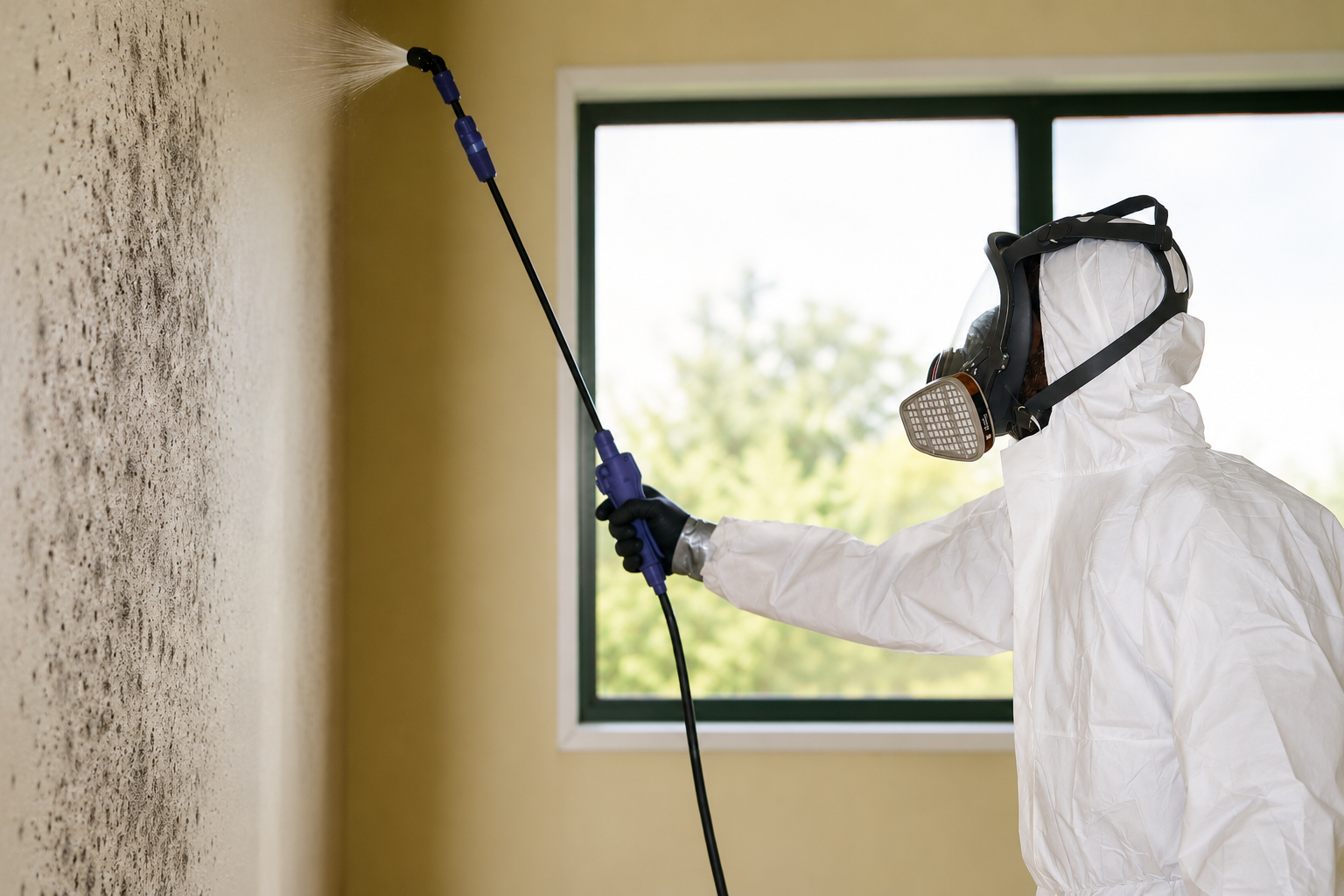
Mould thrives in moist, warm areas of public facilities like washrooms, kitchens, and basements, especially in poorly ventilated or older buildings where humidity and dust accumulate. It grows in grout, under sinks, inside HVAC ducts, and behind walls. Mould is hard to eliminate because biofilms protect spores, allowing regrowth unless moisture and humidity are controlled. Exposure can cause respiratory issues and worsen asthma, posing risks in places like schools and healthcare. Mould also damages structures, stains surfaces, and spreads spores through HVAC systems. Traditional disinfectants kill surface mould but don’t reach roots or control moisture. Effective management combines cleaning with moisture control, ventilation, leak repair, and regular maintenance.
Problem 5 – Scale Buildup
Hard water deposits build up in pipes, urinals, fixtures, and tiles in public facilities. Scale, mainly calcium carbonate and magnesium, causes:
-
- Narrowed pipes reduce water flow
- Pressure loss affecting fixtures
- Higher energy use for water heating
- Visible white or tan stains
- Bacteria and debris trapped in deposits
Scale roughens surfaces, worsening odour and contamination issues. Removing scale needs acidic chemicals, which can damage grout and fittings and pose safety risks. Frequent acid use speeds fixture wear and raises replacement costs.
Preventing scale with water treatment or regular mild descaling is more cost-effective than fixing severe buildup and damage.
Problem 6 – Excessive Chemical Use
Many public facilities increase chemical use when standard cleaners fail, creating a cycle that worsens problems without addressing root causes.
This escalation poses health risks to staff from chemical exposure and causes discomfort for occupants due to lingering odours. Harsh chemicals also damage surfaces, leading to higher maintenance costs.
Moreover, chemical cleaning cannot break down embedded residues like uric acid or grease, only masking symptoms temporarily. This results in more frequent, stronger chemical use, higher costs, and ongoing surface damage without solving underlying issues.
Problem 7 – High Maintenance Costs
Recurring cleaning problems increase operational expenses, including plumbing repairs, emergency drain clearing, chemical treatments, fixture replacement, and labour, underscoring why professional commercial cleaning is essential for businesses. Examples:
-
- Emergency plumbing can cost up to 10x more than scheduled maintenance
- Grease trap emergency pump-outs cost 2-3x standard rates plus penalties
- Premature fixture replacement raises capital costs by 30-50%
- Labour for repeated deep cleaning drains productivity; quality entrance mats trap up to 85% of soil, reducing cleaning needs
Large facilities can face tens of thousands in extra annual costs. Indirect costs include downtime, lost revenue, negative reviews, compliance issues, and diverted staff time. Preventing these issues improves efficiency.
How New Commercial Cleaning Technologies Solve These Problems
What is Biological Cleaning Technology?
Biological cleaning offers a different approach to persistent hygiene issues by using beneficial microorganisms to break down organic waste at its source instead of relying on chemicals. These microbes produce enzymes that digest uric acid, fats, and proteins, continuing to work as long as organic matter is present. This method effectively eliminates uric acid odours embedded in surfaces and plumbing, with New Zealand case studies showing odour removal within three days. Beneficial microbes outcompete odour-causing bacteria, preventing ammonia formation rather than masking smells.
Benefits of Modern Eco Friendly Biological Solutions
Modern biological cleaning solutions deliver measurable improvements across the persistent problems facing public facilities. In public restrooms, touchless technology can significantly reduce the spread of pathogens.
- Odour elimination: Biological treatments address uric acid and organic residue that causes recurring odours. Professional hygiene services should also provide a full cleaning regime that includes proper sanitation, disinfection, and deodorisation. Results are longer-lasting because microbes continue consuming odour-causing compounds between applications.
- Reduced drain blockages: Microorganisms break down biofilm buildup on pipe walls, digest soap residue and organic debris, and maintain clearer drainage systems with less mechanical intervention required. Steam cleaning is also effective for deep-cleaning restroom surfaces by removing dirt and bacteria.
- Controlled grease buildup: Biological grease trap treatments reduce fats, oils, and grease accumulation, extending service intervals and reducing overflow risk. Some facilities report eliminating previously required weekly pump-outs.
- Reduced chemical usage: As biological treatments address root causes, reliance on harsh chemical cleaners decreases. This reduces exposure risk for staff, eliminates chemical odours affecting facility users, and decreases environmental impact. A suitable range of hygiene product dispensers also encourages better hygiene practices among users. Automatic faucets and soap dispensers further reduce contact points that spread germs.
- Lower maintenance costs: Fewer emergency plumbing calls, extended fixture life, reduced labour for repeat treatments, and decreased chemical purchasing combine to lower total cost of facility hygiene management.
- Environmental advantages: Biological cleaning products are typically biodegradable with lower toxicity profiles than traditional commercial cleaning chemicals. Reduced chemical discharge to wastewater systems supports environmental compliance.
Biological cleaning does have limitations. These products require appropriate environmental conditions—adequate temperature, compatible pH levels, and moisture—to maintain microbial activity. Extremely acidic or caustic residues can kill beneficial microbes, making product sequencing important. Staff training on proper application protocols is essential for optimal results. Professional hygiene services also help maintain consistent hygiene standards, giving facility managers and users peace of mind.
Common Mistakes Facilities Make When Addressing Health Risks
Experience across public facility cleaning reveals consistent patterns where well-intentioned approaches fail to deliver results:
- Relying on reactive cleaning instead of proactive prevention: Waiting until odours, blockages, or mould become severe before taking action costs significantly more than preventing problems through scheduled maintenance and appropriate cleaning protocols.
- Using products that mask symptoms rather than eliminate causes: Fragranced cleaners and deodorisers provide temporary odour relief while embedded contamination continues developing. This approach delays effective treatment while problems worsen.
- Inadequate staff training on proper product application: Biological cleaners, enzymatic treatments, and specialised cleaning products require correct dosing, contact time, and application sequences. Undertrained staff may use products incorrectly or combine incompatible chemicals, reducing effectiveness.
- Failing to implement regular maintenance schedules: Grease trap servicing, drain maintenance, ventilation cleaning, and other preventive activities require consistent scheduling. Deferred maintenance creates compounding problems that cost more to address later.
- Choosing providers based solely on price: The lowest-cost cleaning services often use commodity chemicals and basic methods that fail to resolve persistent problems. Apparently cheaper services become expensive when problems recur and accumulate.
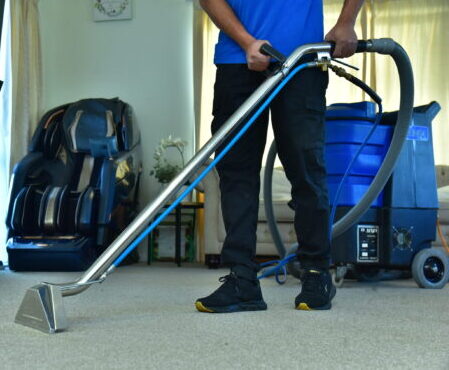
- Not investing in proper equipment and technology: Appropriate tools—including steam cleaning equipment, biological treatment systems, and monitoring capabilities—enable more effective cleaning outcomes than manual methods alone.
How Facility Managers Can Choose the Right Cleaning Provider for Public Facilities
Selecting cleaning services for high-traffic public facilities requires evaluation beyond price comparisons, and applying smart tips for hiring commercial cleaning services helps avoid common pitfalls:
- Documented experience in similar environments: Request evidence of successful work in facilities with comparable usage patterns. Stadium, school, shopping centre, hospital, and government building cleaning each involve specific challenges requiring relevant expertise and clear service expectations.
- Access to modern cleaning technologies: Verify that providers use biological solutions, enzymatic treatments, and appropriate equipment for different contamination types. Ask specifically about approaches to persistent odour, drain maintenance, and grease management.
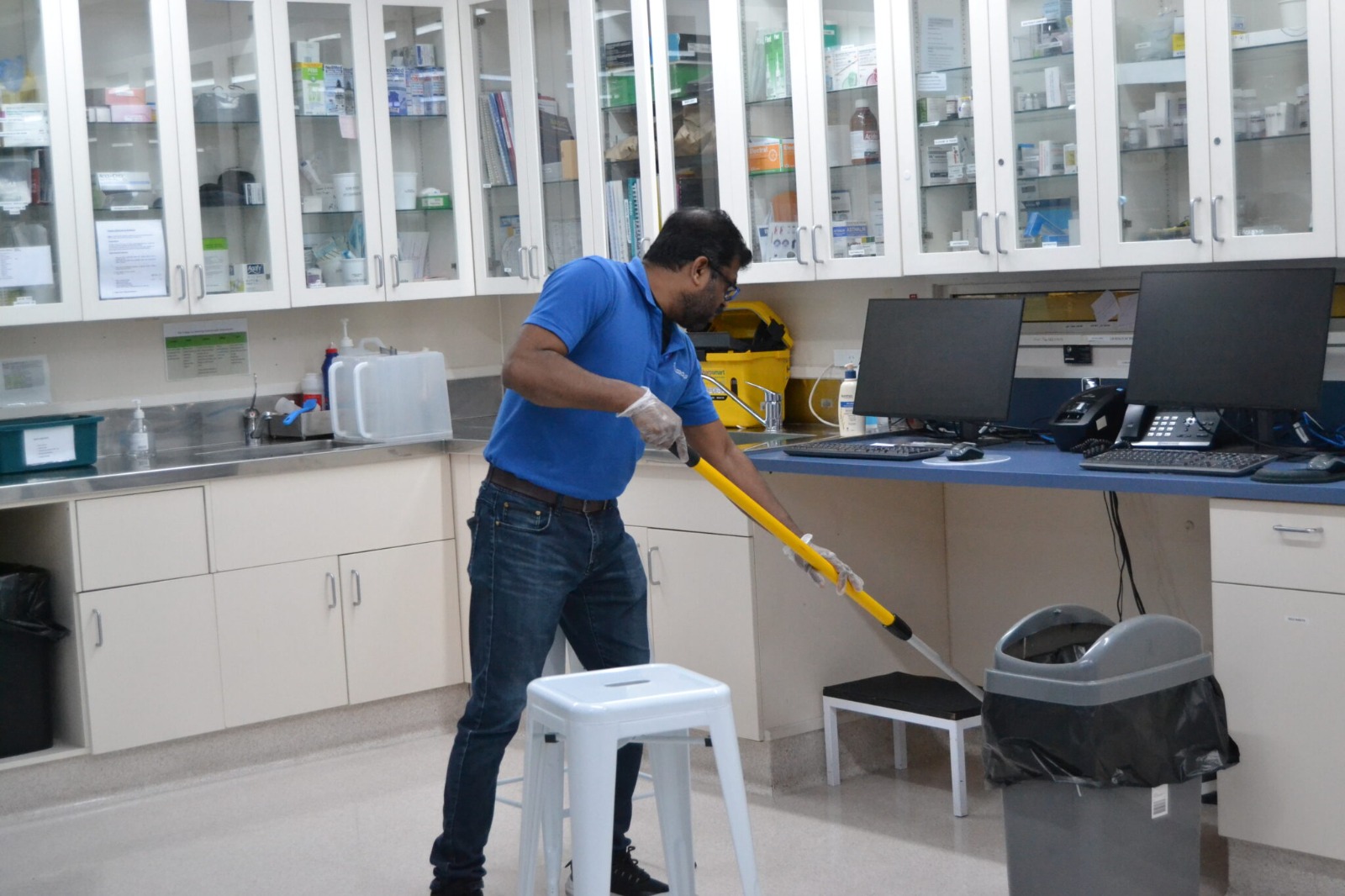
- Comprehensive staff training programmes: Effective cleaning requires trained personnel who understand product selection, application protocols, safety requirements, and quality standards. Ask about training systems, competency verification, and ongoing professional development.
- Measurable outcome evidence: Request data on cleaning effectiveness—drain flow rates, odour testing results, complaint reduction statistics, maintenance cost trends. Providers confident in their methods can demonstrate results.
- Health, safety, and environmental compliance: Confirm understanding of relevant NZ building codes, trade waste regulations, workplace safety requirements, and environmental standards. Government entities also have legal and ethical obligations to provide safe environments for staff and visitors. Non-compliance creates liability for facility operators.
- Transparent reporting systems: Quality providers maintain documented records of cleaning activities, product usage, maintenance schedules, and inspection results. These records support compliance demonstration and continuous improvement, especially where facilities require cleaning that is consistent, auditable, and aligned with safety standards, including Health and Safety at Work Act obligations.
- References from similar facilities: Speak directly with facility managers at comparable properties about provider performance, responsiveness, and results delivered over time.
QualGroup’s commercial and office cleaning services approach to commercial cleaning integrates biological technology, strict protocols, trained staff, and measurable outcomes to address the root causes of facility hygiene challenges. Their reputation is built on reliable commercial cleaning you can trust and a broader mission-driven ethos described in QualGroup Cleaning Services in New Zealand. For facility managers weighing options, comparing in-house vs professional cleaning services clarifies the long-term value of outsourcing to trained specialists, while understanding what commercial cleaning includes helps set clear expectations about scope. QualGroup also shares ongoing insights through their commercial cleaning tips and insights blog, covering topics like professional commercial cleaning services in New Zealand and the top reasons to hire professional cleaners for your workplace. Contact us for a free site audit to assess your facility’s specific needs and identify opportunities for improved cleaning effectiveness.
Frequently Asked Questions
1.How long does it take for biological cleaning to eliminate persistent odours?
Most facilities observe noticeable improvement within three to seven days as microorganisms colonise affected surfaces and begin breaking down embedded residue. Complete elimination of severe long-term contamination may require two to four weeks of consistent treatment. Results depend on contamination severity, surface porosity, and environmental conditions.
2.Are biological cleaning products safe for use in facilities with children?
Yes. Biological cleaning products use microorganisms selected specifically for safety in occupied environments. These products are typically non-toxic, non-pathogenic, and pose no health risks to children, staff, or facility users. They are commonly used in schools, childcare centres, and healthcare settings.
3.Can modern cleaning technology really reduce long-term maintenance costs?
Evidence from facilities that have adopted biological cleaning demonstrates measurable cost reductions. Decreased emergency plumbing calls, extended service intervals for grease traps, reduced chemical purchasing, and lower labour requirements for repeat treatments all contribute to lower total hygiene management costs.
4.What training is required for staff to use new cleaning technologies effectively?
Staff require training on product selection for different contamination types, correct dilution and application methods, appropriate contact times, product sequencing to avoid incompatibility, and safety protocols. Most biological cleaning manufacturers provide training resources, and professional cleaning providers include staff training as part of service delivery.
5.How do biological solutions perform compared to traditional disinfectants?
Biological cleaners and disinfectants serve different purposes. Disinfectants kill microorganisms on contact but do not break down organic residue. Biological cleaners digest organic matter but may not provide immediate broad-spectrum disinfection. Many facilities use both in appropriate combinations—disinfectants for infection control where required, biological treatments for organic waste management and odour prevention.