Routine cleaning, however diligent is not designed for this situation. An outbreak demands a completely different level of response: structured, zoned, documented, and executed by people who understand cross-contamination risk. Getting it wrong does not just mean a dirty building. In a childcare centre, aged care facility, or healthcare clinic, getting it wrong means vulnerable people get sicker.
This guide covers the practical outbreak response process from a cleaning perspective — what to do, in what order, and why the sequence matters as much as the products you use. For the foundational principles behind cleaning, disinfection and dwell time, see our Complete Guide to Sanitisation and Disinfection for NZ Workplaces.
What Is the Difference Between a Deep Clean and a Decontamination Clean?
A deep clean is an intensive version of routine cleaning which is more thorough, more detailed, covering areas that regular cleaning misses. It is valuable for maintenance purposes but it does not follow a risk-based protocol. It has no zoning structure, no specific disinfectant requirements tied to a pathogen, and no formal validation process.
A decontamination clean is a structured infection-control response. It begins with a risk assessment, divides the facility into contamination zones, works in a specific sequence to prevent spreading pathogens, uses pathogen-appropriate disinfectants with confirmed dwell times, requires specific PPE, and ends with documented validation that the clean was effective.
What Types of Outbreaks Require a Decontamination Response?
- Gastrointestinal illness — gastroenteritis, Norovirus, rotavirus
- Respiratory illness — influenza, RSV, COVID-19, whooping cough
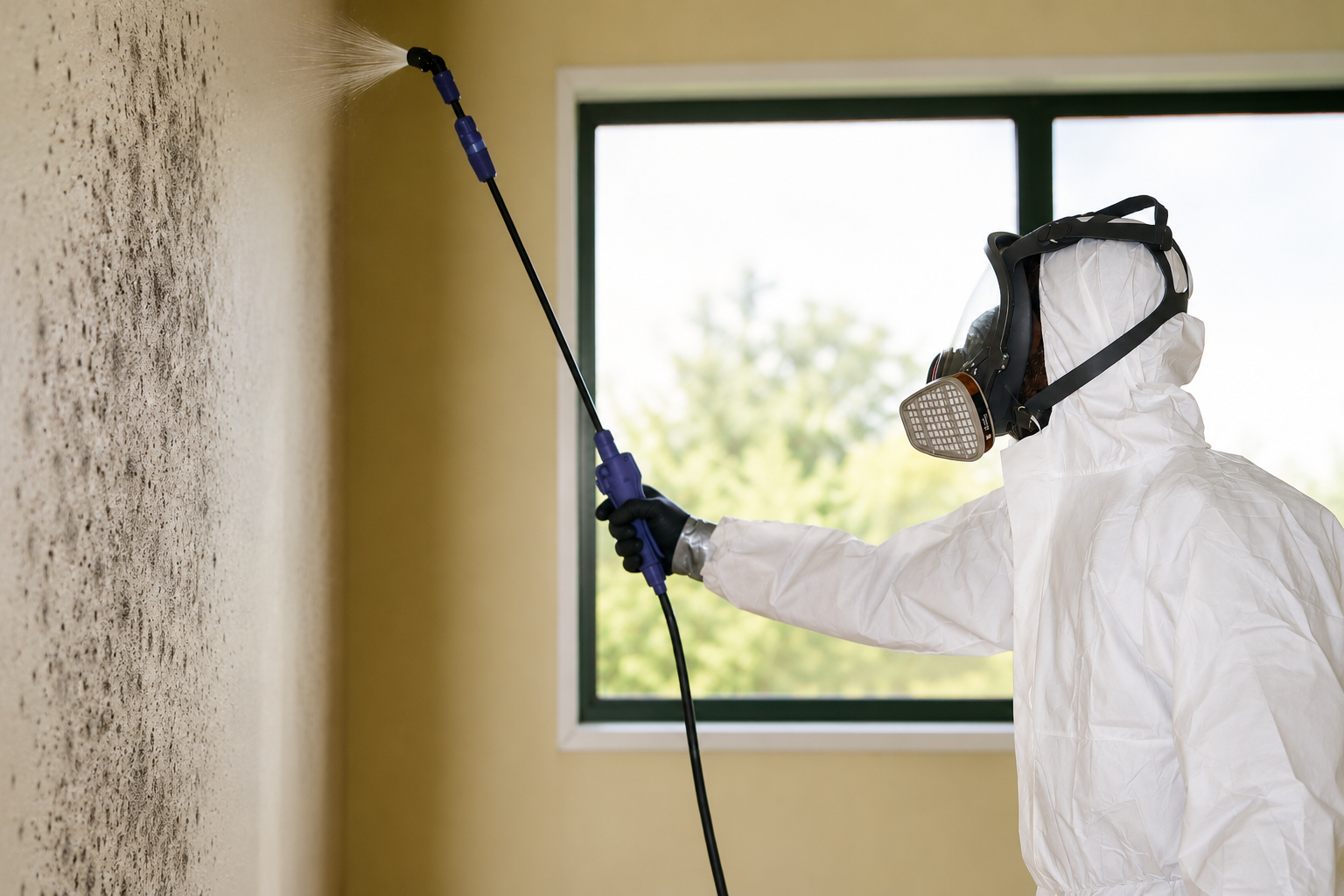
- Skin and contact infections — scabies, impetigo, hand-foot-and-mouth disease
- Other communicable illnesses — hepatitis A, meningococcal disease
The cleaning response is not identical for every outbreak type. Some pathogens spread primarily through respiratory droplets; others survive on surfaces for hours or days; others spread through bodily fluids or shared items. The decontamination protocol must match the transmission route of the specific illness, which is why identifying the outbreak type is the first step, not an afterthought.
Step 1: Identify the Outbreak Type Before Cleaning Begins
The facility manager should be able to confirm or at least provide a working assumption about the illness type, the likely transmission route, and the timeframe of the infectious period. For most viral illnesses, the infectious period begins approximately 48 hours before symptoms appear. That window defines how far back the movement tracking needs to go.
Step 2: Restrict Affected Areas Immediately
- Closing a childcare classroom or sleep room
- Restricting a resident's bedroom and the shared bathroom they used
- Closing a staff room or lunchroom
- Limiting access to a treatment room or shared clinical space
Step 3: Map the Infected Person's Movements
- Which rooms they occupied and for how long
- Which bathrooms they used
- Which shared spaces — dining rooms, lounges, play areas, staff rooms — they accessed
- Which equipment, furniture or shared items they touched
- Whether they had close contact with other people, and where
In childcare and aged care settings, this mapping is especially important because infected individuals often move through multiple shared spaces throughout the day. A resident who joins group activities, uses the shared dining room, and visits the communal lounge has potentially contaminated multiple zones, all of which require a different cleaning response.
Step 4: Divide the Facility into Four Cleaning Zones
Zoning is the most critical technical step in a decontamination clean. It prevents the most common outbreak cleaning mistake: carrying contamination from a heavily infected area into a cleaner part of the building.
Zone | Risk Level | Definitions | Examples |
Zone 1 | Highest risk | Where the infected person spent the most time | Bedroom, classroom, workstation, frequently used bathroom, dining area |
Zone 2 | High risk | Areas used by close contacts | Adjacent rooms, shared play areas, group activity rooms, shared toilets |
Zone 3 | Transit risk | Spaces the person passed through | Corridors, lifts, stairwells, reception, entry doors |
Zone 4 | Preventative | Rest of the facility with no direct exposure | Other classrooms, other resident areas, general common areas |
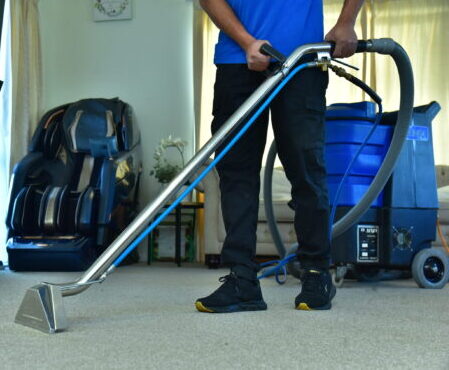
Step 5: Why Vacuuming Is Banned During an Outbreak Clean
This surprises most people and it is one of the most important rules in decontamination cleaning.
Step 6: Disposable Only in High-Risk Zones
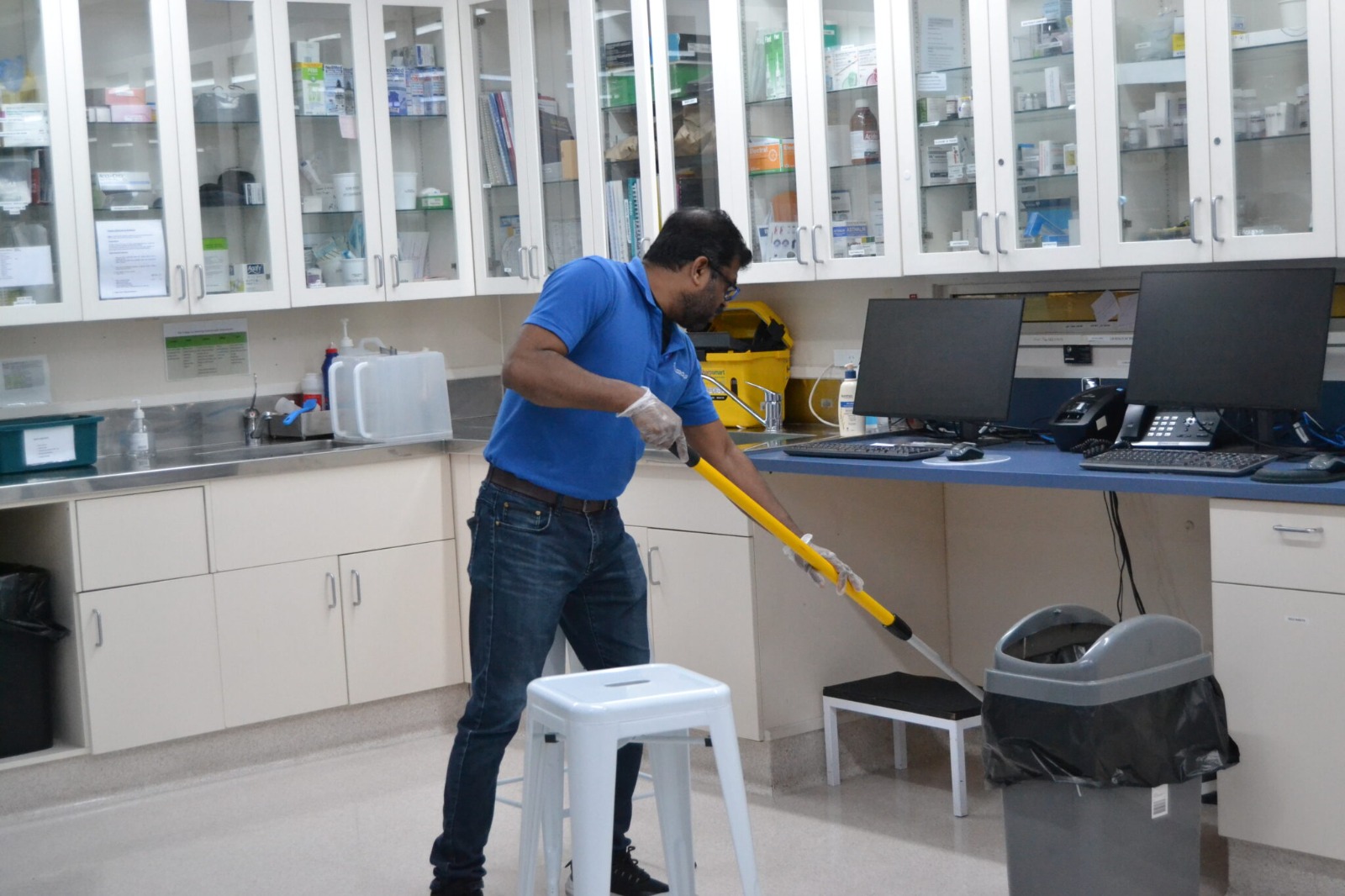
During a decontamination clean, reusable microfibre cloths are replaced with disposable wipes and paper towels in Zones 1, 2, and 3. Each wipe is used on one surface, folded to a fresh side for the next, and binned when all sides are exhausted. It is never rinsed and reused.
Step 7: Match the Disinfectant to the Pathogen
- Norovirus is one of the hardest viruses to kill and requires a disinfectant with confirmed efficacy against non-enveloped viruses, not all hospital-grade products qualify
- Influenza and COVID-19 are enveloped viruses and are easier to kill; most hospital-grade virucidal disinfectants are effective
- Gastrointestinal outbreaks generally require a disinfectant effective against both bacteria and viruses, particularly on food-contact surfaces
Whatever product is selected, the dwell time must be observed, the surface must remain visibly wet for the manufacturer’s required contact time before being wiped or allowed to air dry. A disinfectant wiped off immediately has not disinfected the surface. For a full explanation of dwell time and why it is so often skipped, see our Complete Guide to Sanitisation and Disinfection.
Step 8: PPE Requirements for an Outbreak Clean
Minimum PPE for a decontamination clean:
- P2 respirator mask (not a standard surgical mask)
- Protective eyewear or goggles
- Hair covering
- Disposable apron or gown
- Strong, chemical-resistant gloves
The glove rule: Gloves must be changed between every zone, and hands must be sanitised with alcohol-based hand rub every time gloves are removed. A cleaner who changes zones without changing gloves carries contamination from the dirtiest area into cleaner spaces negotiating the entire zoning process.
The doffing risk: Removing contaminated PPE incorrectly is one of the most common points of self-contamination in infection-control cleaning. All decontamination cleaning staff at QualGroup complete a simulated PPE donning and doffing session before carrying out a real decontamination cleaning because the technique has to be automatic under pressure, not read from a poster on the day.
After the clean, all used PPE is carefully removed, double-bagged, and disposed of in general waste. It is not recycled or reused.
Step 9: The 72-Hour Rule — What It Means and When It Applies
Step 10: Validate the Clean Before Reopening
A decontamination clean is not complete when the cleaning team packs up. It is complete when the effectiveness of the clean has been confirmed.
UV fluorescent marker testing: Markers are placed on high-touch points across the facility before the clean begins. After the clean, a UV torch confirms whether the markers, and the organic matter beneath them have been fully removed. Any surface where the marker is still visible was not cleaned effectively and must be redone.
ATP testing: ATP (adenosine triphosphate) testing measures the presence of organic matter on a surface. A swab is taken from a cleaned surface and read by a handheld meter. Any reading above the acceptable threshold indicates the surface was not adequately cleaned before disinfection was applied.
Step 11: Document Everything
A complete outbreak clean record should include:
- Date, time, and duration of the clean
- Names of cleaning staff and supervisors present
- Specific zones cleaned and the sequence
- Products used, including dilution rates and dwell times
- PPE worn and disposal method
- Any areas that were inaccessible or required follow-up
- Validation test results (UV and/or ATP)
- Recommendations for the ongoing cleaning schedule
At QualGroup, we also follow up with all decontamination cleaning staff within 24 to 48 hours of the job to confirm they are not showing symptoms. If any staff member becomes unwell, all personnel who worked alongside them are notified immediately.
Step 12: Move from Response to Prevention
The decontamination clean addresses the immediate contamination event. What happens in the days and weeks that follow determines whether a second outbreak occurs.
- Cleaning frequency for high-touch points across all zones
- Hand hygiene supplies — soap, paper towels, alcohol gel in all key areas
- Bathroom and kitchen cleaning schedules, which are typically where outbreaks amplify
- Staff communication protocols so that illness is reported early rather than after multiple days of workplace exposure
In childcare settings specifically, this is also the time to review toy and shared equipment cleaning schedules, nappy-change area protocols, and food-handling hygiene practices. In aged care, the review should cover mobility aid cleaning, call button hygiene, and dining room protocols.
Childcare, Aged Care and Healthcare: What Changes by Sector
In childcare, children touch everything, share toys, and cannot follow hand hygiene reliably. During gastro or hand-foot-and-mouth outbreaks, prioritise nappy-change areas, soft toys and mouthed items (hot-wash or remove from circulation), sleep mats, food surfaces, and shared learning materials like playdough. See our childcare cleaning approach here.
In aged care, the risk is not just contamination, it is how severely residents may be affected. Prioritise call buttons, mobility aids, dining room surfaces, shared bathroom handrails, and lounge furniture. The cleaning response must work alongside the facility’s clinical infection-control procedures, not independent of them. See our aged care and healthcare approach here.
In healthcare, patients may already be immunocompromised. Treatment room benches, examination tables, EFTPOS terminals, clinical touchpoints, and waiting room chairs all require particular attention. The decontamination clean must align with the clinic’s own infection-control policy.
Why You Need a Decontamination Plan Before an Outbreak Happens
QualGroup works with childcare, aged care, healthcare and commercial facilities across the Bay of Plenty and Waikato to build these plans before they are needed.
Get Ready Before the Call Comes
An outbreak is not the time to find a cleaning provider, agree on a protocol, and train a team. By then, the window for containing the spread has already narrowed.
At QualGroup, we work with childcare centres, aged care facilities, healthcare clinics, and commercial workplaces to develop pre-documented decontamination plans, train cleaning staff to validated infection-control standards, and respond quickly when an outbreak is confirmed.
If your facility does not yet have a decontamination plan in place, contact our team for a free site audit and no-obligation proposal tailored to your business and let’s create a healthier environment for not only your business but more importantly the people in it.
FAQs: Outbreak Cleaning for NZ Facilities
A deep clean is a more thorough version of routine cleaning. A decontamination clean is a structured infection control response — zoned, pathogen-matched, PPE-controlled, and formally validated.
Not always. A zoning approach focuses resources on the highest-risk areas and prevents contamination being carried into cleaner parts of the building by the cleaning team itself.
Only if they are specifically trained in decontamination protocols — zoning, cross-contamination prevention, correct PPE doffing, and validation. Routine cleaning training does not cover this.
Where practically possible, Zone 1 rooms should be left unoccupied for 72 hours after the infectious period is identified, allowing airborne particles to settle and become non-viable. This follows the decontamination clean, it does not replace it.
Yes, we provide professional outbreak cleaning services across New Zealand, helping businesses and facilities maintain safe, hygienic environments whenever rapid response cleaning is needed. See our services here.