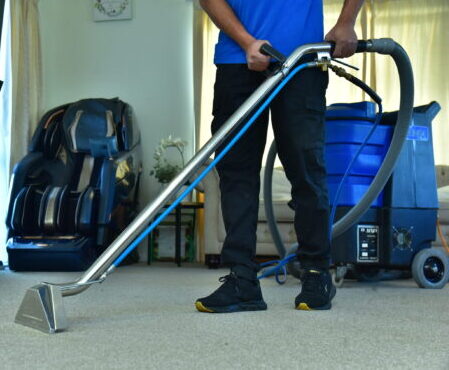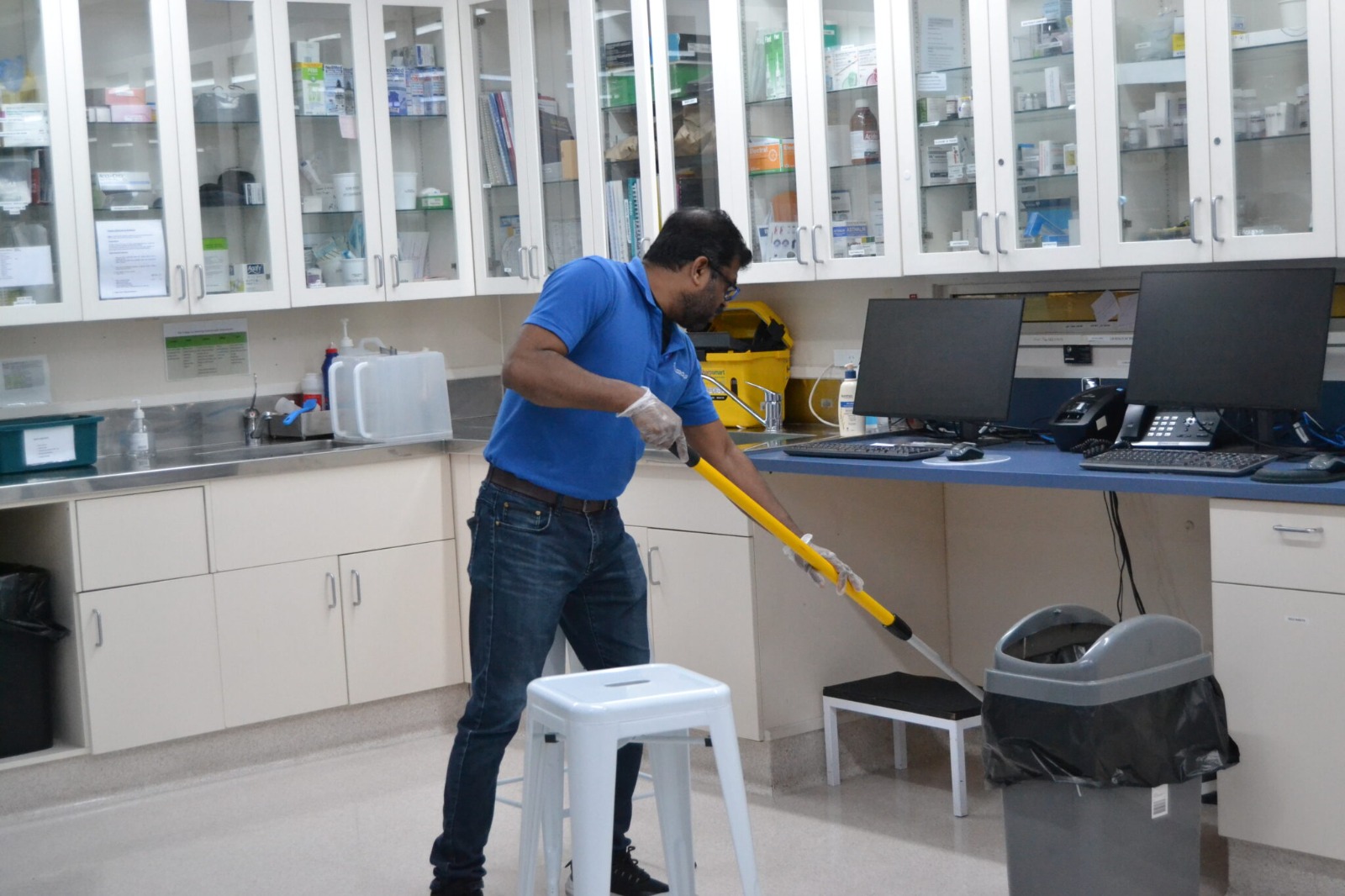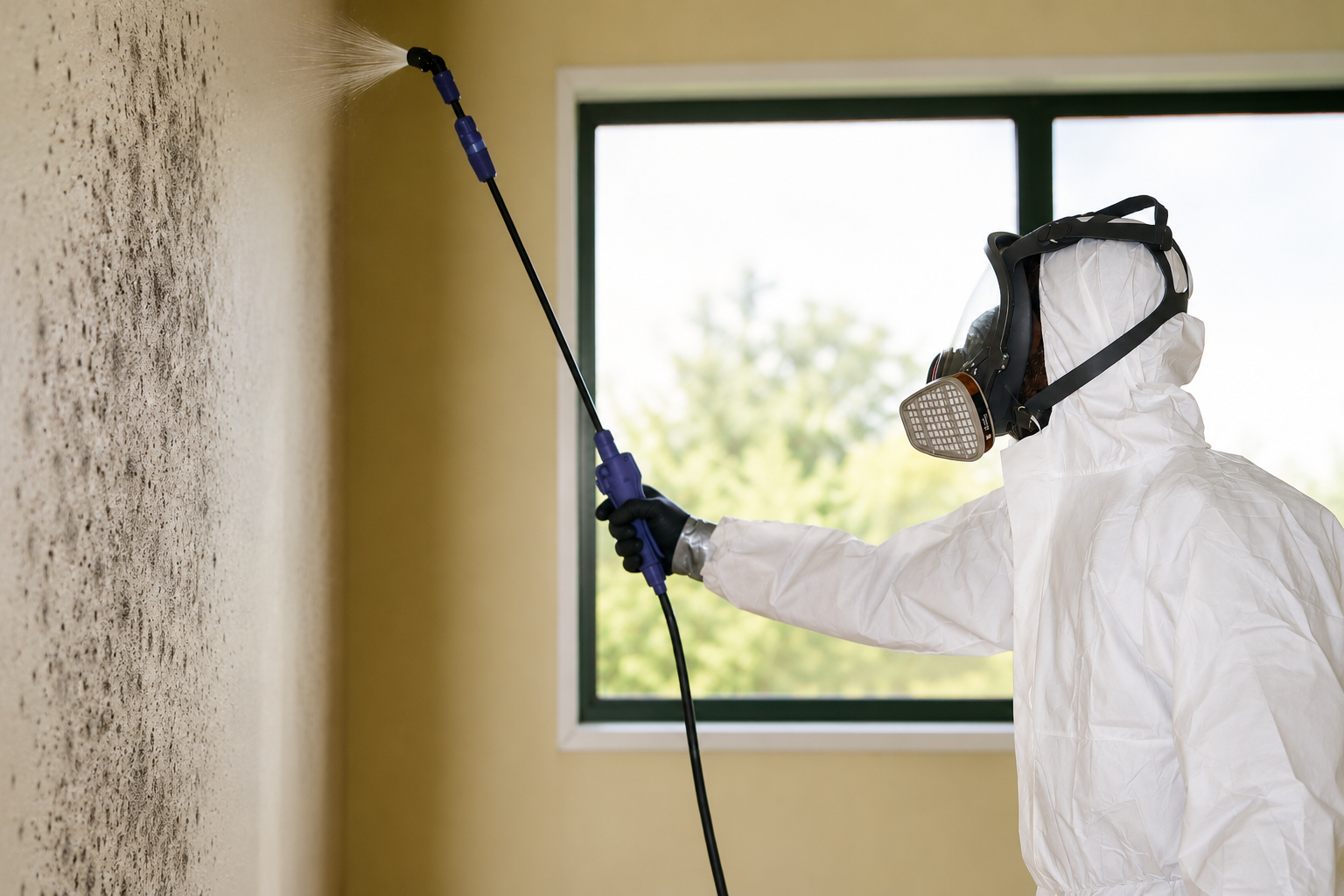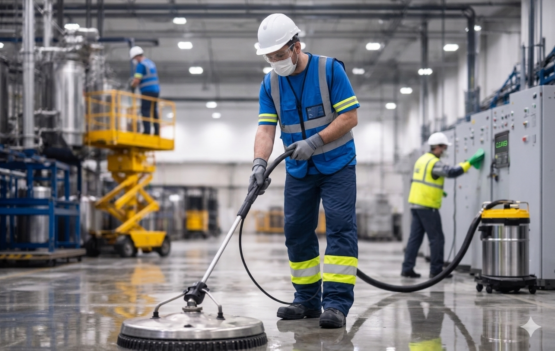
Industrial cleaning is not about making a site look tidy. It’s about controlling risk, protecting people, and keeping operations moving. In busy industrial hubs such as Tauranga’s logistics sector, Rotorua’s processing facilities, and Hamilton’s manufacturing plants, cleaning directly affects safety and productivity.
This guide explains what industrial cleaning services involve, why NZ safety standards matter, and how to select a qualified provider.
What Are Industrial Cleaning Services?
Industrial cleaning services refer to heavy-duty cleaning carried out in operational environments such as warehouses, factories, processing plants, and engineering workshops. These spaces generate dust, oils, chemical residues, and machinery build-up that standard cleaning methods cannot manage.
Unlike general office cleaning, industrial cleaning requires specialist training, hazard awareness, and robust equipment. The goal is industrial facility hygiene — not just surface presentation.
In Hamilton manufacturing plants, this may mean production line cleaning and industrial degreasing. In Tauranga warehouses, it often involves large-scale floor scrubbing and dust suppression. In Rotorua processing facilities, plant cleaning can include washdowns and sanitation of operational areas.
Done correctly, industrial cleaning NZ supports compliance, extends equipment lifespan, and reduces avoidable downtime.
Industrial Cleaning vs Commercial Cleaning
What’s the difference between commercial vs industrial cleaning?
Commercial cleaning typically focuses on offices, retail spaces, hospitality spaces, educational and healthcare facilities. Industrial cleaning deals with heavy-industry cleaning risks such as machinery, confined spaces, oils, airborne dust, and hazardous materials.
Industrial sites require strict workplace hygiene standards and safety controls. General cleaners without industrial training should not be handling chemical spills, degreasing machinery, or working near operational plant.
What Industrial Cleaning Services Typically Include
What services fall under heavy-duty cleaning services?
Industrial cleaning may include:
-
-
Industrial machinery cleaning
-
Industrial degreasing and oil removal
-
High-pressure water blasting
-
Warehouse floor sweeping and scrubbing
-
Production line cleaning
-
Ventilation and duct cleaning
-
Confined space cleaning (where applicable)
-
Oil, grease, and chemical spill clean-ups
-
Exterior industrial building washes
-
Safety hazard reporting
-
For example, large-scale warehouse cleaning in Tauranga often requires ride-on scrubbers and dust control systems. Exterior building washes remove grime that can degrade cladding and roofing over time.
Some environments may also require specialised decontamination and sanitisation services following contamination incidents. Each service must align with operational risk assessments.
Safety Standards & Compliance Requirements in NZ
What regulations govern industrial cleaning in New Zealand?
Industrial cleaning operations must comply with the Health and Safety at Work Act 2015. This includes hazard identification, risk assessments, and documented safety procedures.
Before work begins, professional teams conduct:
-
-
Site inductions
-
Job Safety Analysis (JSA)
-
Safe Work Method Statements (SWMS)
-
Personal Protective Equipment (PPE) may include respirators, gloves, safety boots, eye protection, and chemical-resistant clothing.
Procedures such as lockout/tagout, confined space entry protocols, and chemical storage compliance are non-negotiable. Environmental considerations — including responsible chemical selection and wastewater management — are also essential for industrial cleaning regulations in NZ.
Specialist Equipment & Cleaning Technologies
Why does industrial cleaning require specialist machinery?
Industrial environments demand equipment designed for scale and safety. This often includes:
-
- Ride-on industrial scrubbers
- High-pressure washers
- HEPA-filtration vacuums
- Industrial extraction units
- Eco-safe degreasers and solvents
HEPA filtration vacuums capture fine dust particles common in factories and warehouses. Heavy-duty scrubbers improve floor traction by removing oil residues effectively.
Using appropriate industrial scrubbers and automated cleaning equipment reduces manual risk, improves efficiency, and supports compliance outcomes.
Best Practices for High-Quality Industrial Cleaning
How can facilities maintain consistent industrial hygiene standards?
Best practice begins with scheduled industrial cleaning rather than reactive responses. Preventative maintenance cleaning reduces the likelihood of major build-up.
Other core principles include:
-
- Correct chemical dilution and application
- Cleaning high-touch machinery controls
- Hazard and incident reporting systems
- Trained and certified technicians
- QA checklists and documentation
At QualGroup, our High-Performance Cleaning (HPC) framework emphasises documentation, consistency, and measurable outcomes. This structured approach removes guesswork from contamination control and hygiene protocols.
Benefits of Professional Industrial Cleaning
What measurable benefits does industrial cleaning deliver?
-
Professional industrial cleaning supports compliance confidence and reduces workplace injuries caused by slips, dust inhalation, or chemical exposure.
-
Clean machinery operates more efficiently, reducing wear and preventing overheating. Floors free from grease reduce accidents. Clear ventilation improves indoor air quality.
-
Over time, this translates into reduced downtime, improved workplace safety, extended machinery lifespan, and stronger employee morale.
“Qual Group did an amazing job! Their cleaning work was thorough, detailed, and left everything looking spotless. The team was professional, efficient, and very easy to communicate with. I’m genuinely impressed with the quality of their service and would absolutely recommend them to anyone looking for reliable and high-standard cleaning. Great work!” – Industrial Cleaning Client
Choosing an Industrial Cleaning Provider in NZ
What should NZ businesses look for in an industrial cleaning company?
Consider the following checklist:
-
- Certified industrial cleaners with safety training
- Proven experience in industrial sites
- Ability to work around production schedules
- Approved and compliant chemical use
- Transparent reporting and documented processes
It’s also important to choose a provider familiar with regional industries. QualGroup has over a decade of experience delivering industrial and commercial cleaning NZ-wide, including in Tauranga, Rotorua, and Hamilton.
You can learn more about our experience and safety philosophy on our About Us page.
Regional Relevance
Industrial operations vary across the Bay of Plenty and Waikato. Whether you require warehouse cleaning in Tauranga, factory cleaning in Rotorua, or industrial facility hygiene support in Hamilton, services should align with local industry demands and safety expectations.
Build a Safer Industrial Cleaning Strategy
Industrial cleaning is a safety system — not just a service. When structured correctly, it protects people, machinery, and productivity while supporting compliance and operational efficiency.
From our humble beginnings as a two-person team, QualGroup has grown to more than 30 trained staff, delivering efficient and effective industrial and commercial cleaning services to over 50 businesses every day.
As a locally based provider servicing Tauranga, Rotorua, and Hamilton, we’re known for skilled training, consistent quality, and giving businesses peace of mind to focus on their operations — not cleaning complications.
If you need a trusted partner for safe, compliant industrial cleaning, contact QualGroup to discuss a tailored solution built on experience, structure, and reliability.
Frequently Asked Questions
- What’s the difference between industrial and commercial cleaning?Industrial cleaning addresses heavy machinery, hazardous materials, and high-risk environments. Commercial cleaning focuses on offices and general workplaces.
- How often should warehouses be professionally cleaned?Frequency depends on activity levels, dust generation, and safety risks, but scheduled maintenance is recommended.
- What equipment is used for industrial cleaning?
Ride-on scrubbers, HEPA vacuums, high-pressure washers, and industrial extraction units are common.
- Are industrial cleaning chemicals safe for staff?
Yes, when used correctly with proper dilution, PPE, and ventilation controls.
- Does industrial cleaning help pass safety audits?
Documented cleaning processes and hazard control significantly support audit readiness.