Professional commercial cleaning services in New Zealand deliver systematic hygiene management that goes well beyond basic tidying. When you engage a professional cleaning company, you’re accessing trained personnel, hospital-grade products, scientific verification methods, and documented quality systems designed to maintain consistent standards across your workplace.
This guide explains exactly what professional cleaning includes, how commercial cleaning companies operate, and what standards you should expect from any provider you’re considering for your business.
What Are Professional Commercial Cleaning Services?
Commercial cleaning services encompass the full scope of facility hygiene management for business environments. This includes daily office cleaning, washroom sanitation, floor care, carpet cleaning, window cleaning, and specialised services for healthcare, childcare, and educational facilities.
The difference between DIY cleaning approaches and professional methodologies is substantial. Internal cleaning typically lacks scientific verification, specialist equipment, trained personnel for high-risk settings, and formal quality monitoring. Professional cleaning companies follow documented procedures, use colour-coded equipment to prevent cross-contamination, deploy hospital-grade disinfectants where required, and maintain performance records.
Businesses across Auckland, Wellington, Hamilton, Rotorua, and Tauranga outsource cleaning for several practical reasons. These locations have higher facility density, complex building requirements, stricter regulatory obligations, and limited internal capacity. Outsourcing provides access to expert teams, economies of scale, specialised equipment, and ensures compliance with the Health and Safety at Work Act 2015 and industry hygiene standards.
Professional cleaning is particularly critical for medical facilities, childcare centres, educational facilities, corporate offices, retail spaces, and government buildings, where hygiene standards directly affect health outcomes and regulatory compliance.
Core Services Professional Cleaning Companies Provide
1. Daily Office and Workplace Cleaning
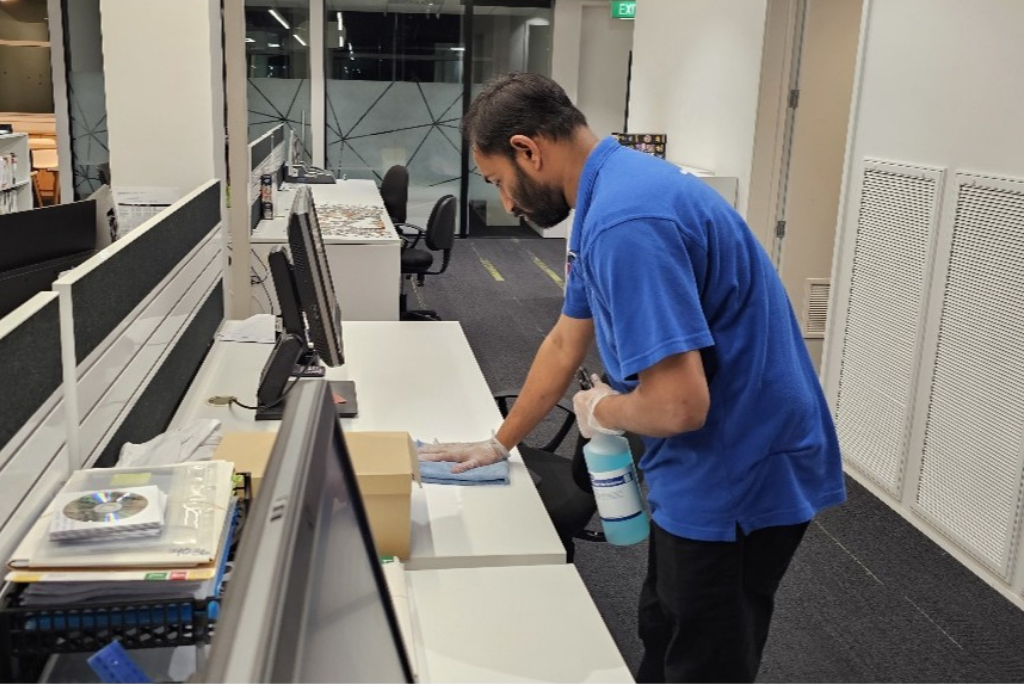
Regular cleaning services for office spaces include desk area sanitisation, keyboard and telephone cleaning, waste management, and dusting of all surfaces. Common area maintenance covers kitchens, break rooms, and shared facilities. Reception and customer-facing areas receive particular attention because they directly influence customer perception and brand image.
Touch-point cleaning is now standard practice, targeting high-touch surfaces like door handles, light switches, lift buttons, and shared equipment. This approach significantly reduces infection spread in busy workplaces and creates a healthier work environment for staff.
2. Washroom and Hygiene Services
Washroom cleaning requires deep cleaning of toilets, urinals, basins, and all fixtures. Professional cleaners sanitise hard surfaces and flooring, restock consumables including soap and paper products, and maintain hygiene monitoring through documented checklists.
Infection prevention protocols align with Te Whatu Ora guidelines, which specify standard precautions including hand hygiene provisions, disinfecting high-touch surfaces, and safe waste management. For high-traffic facilities, cleaning frequency increases to maintain consistent hygiene levels.
3. Floor and Carpet Maintenance
Hard floor maintenance includes stripping, sealing, and polishing systems appropriate to the surface type. Vinyl floor polishing in Auckland typically costs around $11.99 per square metre for three coats. Professional teams use commercial-grade scrubbers and auto-scrubbers to achieve results impossible with domestic equipment.
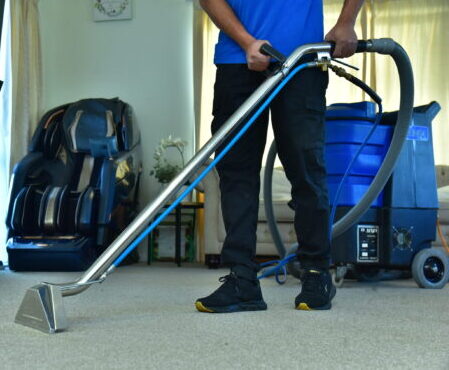
Carpet cleaning methods include carpet steam cleaning, encapsulation, and dry extraction depending on carpet type and soiling level. Stain removal and regular deep cleans extend carpet lifespan and maintain air quality by removing trapped allergens and dust.
Entrance matting systems trap moisture and debris before it spreads through your premises, reducing overall cleaning requirements and protecting interior floor surfaces.
4. Specialised Cleaning Services
Window cleaning for office buildings and retail frontages uses pure-water systems for streak-free results. High-rise buildings may require swing scaffolding or abseil access.
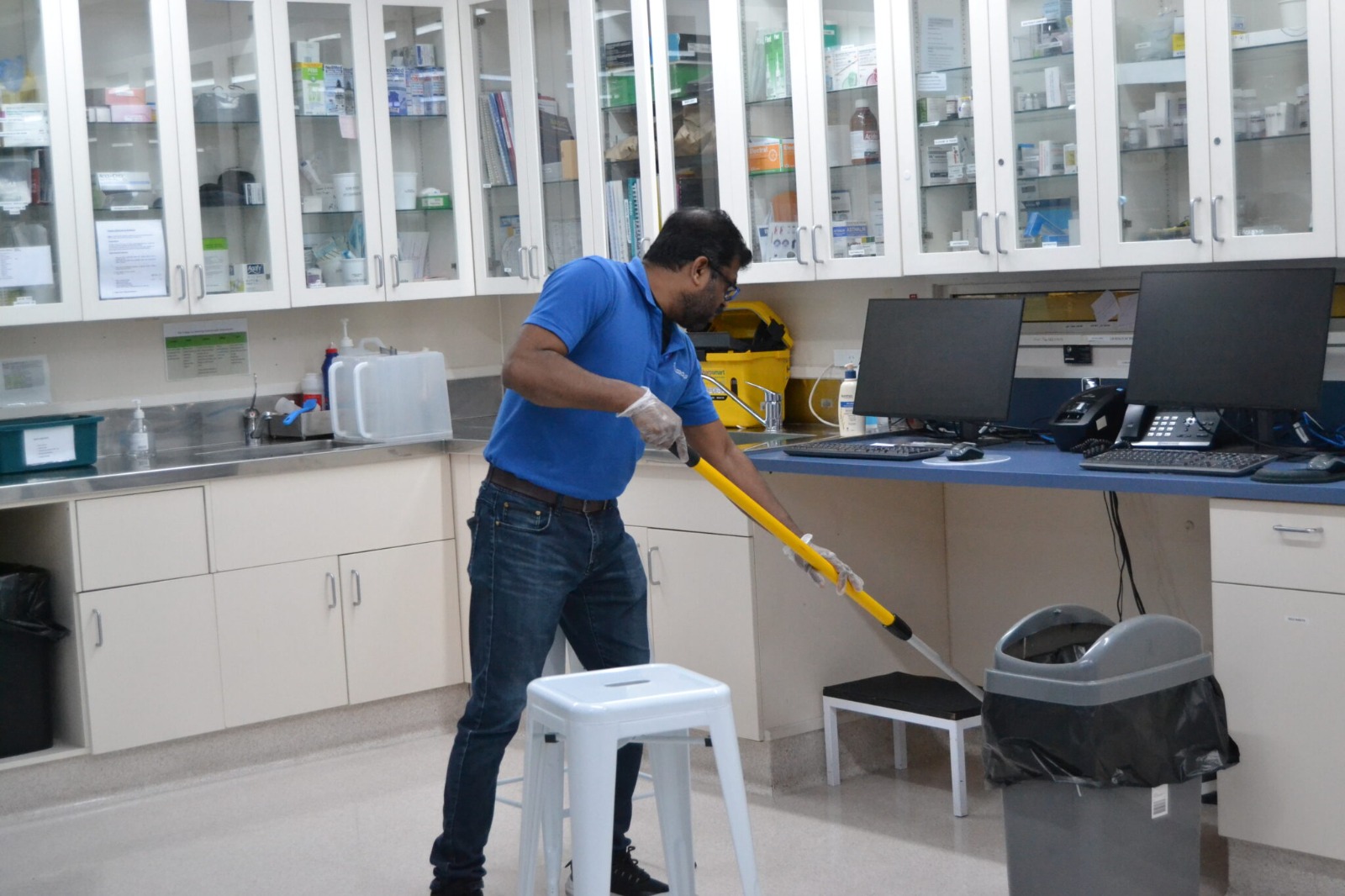
Healthcare and medical facility decontamination requires hospital-grade disinfectants and strict protocols aligned with the Ministry of Health infection prevention guidelines. Staff require specific training endorsements for infection control.
Childcare centre hygiene addresses regulatory requirements from the Ministry of Education and Ministry of Health, including toy sterilisation, high-touch area disinfection, and use of safer chemicals appropriate for young children.
How Professional Cleaning Companies Operate?
Professional cleaning companies begin with a comprehensive site assessment measuring facility size, layout, surface types, foot traffic levels, and risk zones. This information shapes a customised cleaning plan specifying frequency, tasks per visit, deep cleaning schedules, and emergency protocols.
Structured cleaning schedules allocate specific tasks to specific visits. Daily cleaning covers high-traffic and customer-facing areas. Weekly services address less-used spaces. Quarterly or annual deep cleaning targets carpets, windows, and intensive floor maintenance. Team leaders assign tasks using documented checklists, ensuring nothing is missed.
Quality monitoring happens through regular inspections and performance tracking. Many commercial cleaners use ATP testing—measuring organic residue on surfaces—to scientifically verify cleaning effectiveness. This provides objective evidence that hygiene standards are being met.
Clear communication between cleaning teams and facility managers prevents issues escalating. Professional providers establish regular meetings, incident reporting processes, and defined escalation procedures when service falls below standard.
Equipment and product management ensures consistent service delivery. Reputable companies supply their own hospital-grade disinfectants, colour-coded cloths, HEPA vacuums, and eco friendly products. They maintain safety data sheets and comply with hazardous substances regulations.
Cleaning Standards and Quality Control Systems
New Zealand commercial cleaning operates within a defined regulatory framework. The Health and Safety at Work Act 2015 requires businesses to assess hazards including hazardous substances used in cleaning, ensure worker safety through training and PPE, and maintain safe systems of work.
Healthcare cleaning aligns with infection prevention standards from Te Whatu Ora. Environmental cleaning protocols specify high-touch surfaces, standard precautions, and documentation requirements.
Scientific cleaning verification increasingly includes ATP testing devices that measure organic residue post-clean. Floor safety testing measures slip risk, while glossmeters assess finish quality. These tools contribute to quality assurance and injury prevention in your workplace.
Documentation systems provide accountability through cleaning plans, checklists, log sheets, infection control records, and training logs. For healthcare and childcare clients, these records support audits, accreditation, and insurance requirements.
Training standards are formalised through Careerforce, New Zealand’s industry training organisation. The NZ Certificate in Cleaning Level 2 takes approximately seven to eight months and covers core competencies. Level 3 includes supervision and specialist cleaning for high-risk environments. Healthcare cleaning endorsements address infection control specifically.
QualGroup enhances these industry standards through its own QualClean Academy, which provides expert training and competency development for cleaning professionals. The Academy focuses on High-Performance Cleaning (HPC) methodologies, ensuring staff are equipped with the latest techniques, hospital-grade cleaning skills, and professional standards to deliver consistent, high-quality cleaning solutions tailored to the unique needs of commercial clients across New Zealand.
Benefits of Hiring Professional Cleaning Services
-
Professional cleaning directly improves workplace health by reducing infection spread. This translates to reduced staff sick leave and lower absenteeism, particularly in high-traffic offices, medical facilities, and childcare centres.
-
A clean environment enhances your professional image and customer confidence. Reception areas, retail spaces, and customer-facing zones create immediate impressions that affect business outcomes.
-
Employee productivity and morale improve in clean environments. Staff feel safer and can focus on their work rather than cleaning tasks. This represents genuine operational value beyond simple aesthetics.
-
Regular professional maintenance extends the lifespan of office assets. Proper carpet cleaning, floor care, and surface maintenance protect your investment and reduce replacement costs over time.
-
Compliance with health and safety regulations reduces legal and financial risk. Meeting obligations under the Health and Safety at Work Act 2015 and sector-specific hygiene standards protects against fines, litigation, and accreditation failures.
Common Mistakes Businesses Make with Cleaning Services
-
Choosing providers based on price alone often leads to cutting corners through inferior products, undertrained staff, and inconsistent service. The cheapest quote rarely represents the best value.
-
Failing to verify insurance and compliance exposes your business to liability. Check general liability coverage, worker’s compensation, and professional indemnity. Confirm staff have appropriate health and safety training.
-
Not establishing clear specifications creates disputes about what’s included. Specify floor types, surface areas, frequency, deep cleans, washroom standards, and high-touch protocols in writing.
-
Overlooking staff training compromises results. Request evidence of Careerforce certificates, specialist endorsements, and ongoing professional development programmes.
-
Inadequate communication channels prevent problems being resolved quickly. Define escalation paths, reporting requirements, and regular review meetings with your provider.
How to Choose the Right Commercial Cleaning Company in New Zealand
Essential Questions to Ask
What cleaning methodology do you use? Do you employ scientific verification like ATP testing? What hygiene standards do your staff follow, particularly for healthcare or childcare environments? Do you provide equipment and supplies, including eco-friendly products? What is your schedule for quality audits and inspections?
Evaluating Methodologies
Review documented cleaning plans, checklists, and structured schedules. Ask about performance tracking and client communication protocols. Understand how they handle complaints and service failures. Assess whether they can scale services up or down as your business needs change.
Understanding Pricing
Standard commercial cleaning typically costs $30-$50 per hour for regular offices. Healthcare and high-risk sites command $45-$60 or more per hour. Ensure quotes detail costs per hour or per square metre, specify exactly what’s included, and identify any additional charges for after-hours work or specialised services.
Checking References
Request references from businesses similar in size, type, and industry. Verify local presence and response capabilities in your region—providers operating in Auckland, Rotorua, Tauranga, or your specific area can respond more quickly to issues.
Why New Zealand Businesses Outsource Cleaning Services?
Cost effectiveness drives many outsourcing decisions. Professional providers deliver economies of scale, specialist equipment, and trained personnel without the overhead of employing internal cleaning staff. Access to professional-grade equipment and hospital-grade products is difficult and expensive to replicate internally. Commercial cleaners maintain scrubbers, polishers, HEPA vacuums, and scientific testing equipment. Flexibility matters when business needs change. Professional contracts allow scaling services up or down based on occupancy, seasonal demands, or changing facility requirements.
Outsourcing frees internal resources to focus on core business activities. Staff time redirected from cleaning supervision to productive work represents real operational value. Consistency and reliability of outcomes improves with professional systems. Documented procedures, quality monitoring, and trained personnel deliver results that internal arrangements often cannot match.
Frequently Asked Questions About Professional Cleaning Services
-
How much do professional cleaning services cost in New Zealand?
Standard office cleaning ranges from $30-$50 per hour. Healthcare and specialist environments typically cost $45-$60 or more per hour. Deep cleaning and floor care incur additional charges. Monthly costs for larger offices often range from $1,200-$3,000 or more depending on scope and frequency.
-
How often should my office or facility be professionally cleaned?
High-traffic areas typically require daily cleaning. Standard offices often need cleaning three to five times weekly. Deep cleaning of carpets, windows, and floors happens quarterly or annually. Healthcare and childcare facilities require daily cleaning with multiple daily disinfection cycles.
-
What happens if I’m not satisfied with the cleaning quality?
Reputable providers include complaint and make-good clauses in contracts. Quality monitoring through audits and checklists should identify issues early. Most companies offer re-cleaning or substitute service when standards aren’t met.
-
Do cleaning companies provide their own equipment and supplies?
Yes. Professional providers supply their own cleaning chemicals, tools, and equipment. This includes hospital-grade disinfectants where required, colour-coded cloths, microfibre mops, and commercial vacuums. Expect safety data sheets for all chemical products used.
-
How do I ensure cleaning staff has proper security clearance for my facility?
Discuss security requirements during contract negotiation. Sensitive facilities including hospitals, aged care, childcare, and education typically require police or criminal record checks. Healthcare cleaners need infection control training and may require medical clearance.
If you’re looking for reliable commercial cleaning services for your workplace, the team at QualGroup can design a customised cleaning plan for your facility. Contact us today for a free site assessment.