How is cleaning quality actually measured scientifically?
- Structured Cleaning Plans
- Defined high-touch protocols
- Independent validation of products
- Measurable audit systems
Visual Inspection: Necessary, But Limited
White Glove Testing: Detecting Residue You Can’t See
- Poor indoor air quality
- Surface re-soiling
- Allergen retention
- Dull finishes
How do you verify that surfaces were actually wiped?
- Cleaner accountability
- Consistency across sites
- Improved training outcomes
- Objective verification
ATP Testing: The Gold Standard for High-Risk Environments
- Health risk mitigation
- Compliance with audit requirements
- Defensible hygiene outcomes
Why Cleaning Reports Matter as Much as the Cleaning Itself
- Site-specific Cleaning Plans
- Products, tools, and techniques used
- High-touch point protocols
- Audit method (visual, UV, ATP)
- Corrective actions and follow-up
- Score comparisons over time
Comparing Scores Over Time: Where Real Improvement Happe
- Whether standards are improving
- Where retraining is needed
- How seasonal pressures impact hygiene
- If processes remain consistent
What Makes High Performance Cleaning (HPC) different from standard cleaning?
Validated & Risk-Mitigated
- Independently validated disinfectants (including TGA-registered where applicable)
- Green Seal-certified cleaning products
- Cleaning methods independently risk-assessed against HPC criteria frameworks
- Reduced risk to occupants, cleaners, and the wider environment
Measured & Consistent Standards
- Site-specific Cleaning Plans for every task
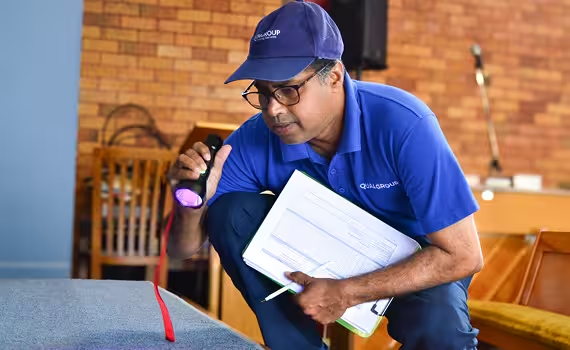
- UV fluorescent audits on high-touch points
- On-site trials to verify effectiveness
- ISO 9001:2015 certified Quality Management System
Indoor Air Quality & Residue Control
- Accurate chemical dosing systems
- Microfibre cloths and mops in sufficient quantities
- Dedicated laundering facilities
- Residue-free cleaning methods
People, Training & Systems
- Visual step-by-step cleaning manuals
- Vetted and trained cleaners
- Regular monitoring and coaching
- Workforce management software for task verification
- Transparent communication logs
Who Benefits Most from Scientific Cleaning Audits?
- Vulnerable populations
- High foot traffic
- Regulatory oversight
- Brand reputation
From “Clean Enough” to Proven Clean
Proven cleanliness builds trust. It supports compliance, confidence, and operational resilience.
One client, Harcourts Rotorua & Whakatane, recently shared:
We are very fortunate and pleased with the cleaning services provided by Harriet and the Customer Service we receive from Roland at QualGroup. The standard of cleaning is consistently excellent, and the office always feels fresh, tidy, and welcoming for both staff and visitors.
We truly appreciate the care taken in maintaining our workspace and would highly recommend their services to anyone looking for a thorough and dependable cleaner.”
Consistency is not accidental. It’s the result of structured systems, documentation, and accountability.
At QualGroup , we are locally based and growing, guided by our values, vision, and mission to protect health and meet Safe Work New Zealand and Ministry of Health expectations.
Our role is simple: replace assumption with evidence.
Build Confidence in Your Cleaning Programme
Frequently Asked Questions (FAQ)
Visual inspection can identify visible dirt and debris but cannot detect microbial contaminants, chemical residues, or organic matter invisible to the naked eye. Relying solely on visual checks increases contamination risk and does not meet regulatory expectations for high-risk environments.
Scientific cleaning verification employs methods such as ATP testing, UV fluorescent audits, swab sampling, and chemical residual testing. These techniques provide measurable data to confirm that cleaning procedures remove contaminants and reduce infection risk.
By objectively verifying that surfaces are free from microbial contaminants and residue, scientific cleaning checks reduce infection risk and contamination. This ensures a controlled environment that supports patient safety and staff wellbeing, especially in healthcare and aged care facilities.
Staff training is essential to ensure that cleaning procedures are followed correctly and consistently. Training helps staff understand the importance of scientific cleaning checks, use specialized tools properly, and adhere to clear protocols, reducing subjective judgment and cleaning failures.
Comprehensive documentation, including audit trails and test results, provides evidence that cleaning processes meet regulatory standards. It enables traceability, supports compliance audits, helps identify root causes of failure, and demonstrates a fundamental shift from subjective to data-driven cleaning practices.