Eco-friendly commercial cleaning is no longer a “nice to have.” For modern New Zealand workplaces, it has become a practical way to protect staff health, meet compliance expectations, and demonstrate genuine environmental responsibility—without compromising hygiene or performance.
Over the past years, I’ve seen many businesses assume that sustainable cleaning is either weaker, more expensive, or purely about optics. The reality is very different. In fact, businesses now more than ever are expecting eco-friendly cleaning, reflecting the modern global shift towards eco-friendly products.
Dive deeper into what eco-friendly commercial cleaning really means, how it works in practice, and why it matters for your business—particularly if you’re responsible for people, compliance, and reputation.
Understanding the Environmental Impact of Traditional Cleaning
Traditional commercial cleaning often relies on harsh chemicals that release volatile organic compounds (VOCs) into the air. According to WorkSafe NZ guidance on hazardous substances, prolonged exposure to these chemicals can contribute to headaches, respiratory irritation, and long-term health risks—especially in poorly ventilated buildings. Traditional chemicals and harmful chemicals like chlorine, ammonia, and phosphates not only increase indoor air pollution but also pose significant health risks to building occupants. Certified green chemicals should be biodegradable, non-toxic, and free from harmful substances like ammonia or chlorine, ensuring that biodegradable cleaning products break down naturally without polluting the environment.
Beyond air quality, traditional cleaning generates significant waste. Single-use wipes, plastic chemical containers, and excessive paper towel consumption all contribute to landfill volumes, which conflict with New Zealand’s waste reduction goals under the Waste Minimisation Act 2008. Traditional cleaning practices also increase landfill waste and plastic waste, further raising a business’s overall carbon footprint and environmental impact.
What’s often overlooked is the cumulative impact on staff. When cleaning products irritate skin, trigger allergies, or leave strong residual odours, productivity and comfort suffer—even if surfaces look clean.
What Is Eco-Friendly Commercial Cleaning?
Eco-friendly commercial cleaning goes well beyond swapping products with green labels. At its core, it is a systems-based approach that considers the full lifecycle of cleaning: the products used, the methods applied, and the people delivering the service.
Genuinely sustainable commercial cleaning uses verified low-toxicity products, applies them efficiently, and trains cleaners to minimise waste while maintaining hygiene standards. It balances environmental responsibility with performance—rather than treating sustainability as a marketing add-on.
Eco-Friendly Cleaning Products – What to Look For
Not all eco-friendly cleaning products are created equal. The most effective options are non-toxic, biodegradable, and low-VOC, aligning with WorkSafe NZ chemical safety principles. When selecting green products, look for the Green Seal certification as a sign of verified environmental safety and sustainability. Green commercial cleaning products are specifically formulated to avoid toxic ingredients and harsh fumes, making them safer for both people and the environment.
For businesses, the benefits are practical. Reduced chemical residue supports better indoor air quality, which is especially important in offices, healthcare settings, and education and child care environments where people spend long hours indoors. Using eco friendly cleaners and green alternatives further improves indoor air quality by reducing toxic ingredients and harsh fumes.
When paired with proper ventilation and application techniques, these products protect both people and surfaces without sacrificing results.
Green Cleaning Techniques That Actually Work
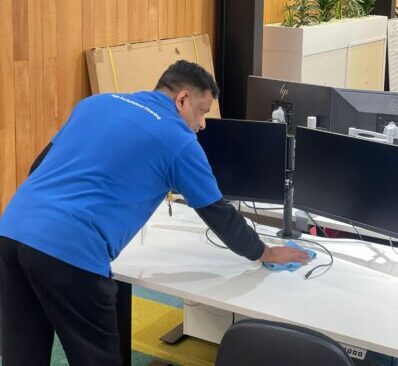
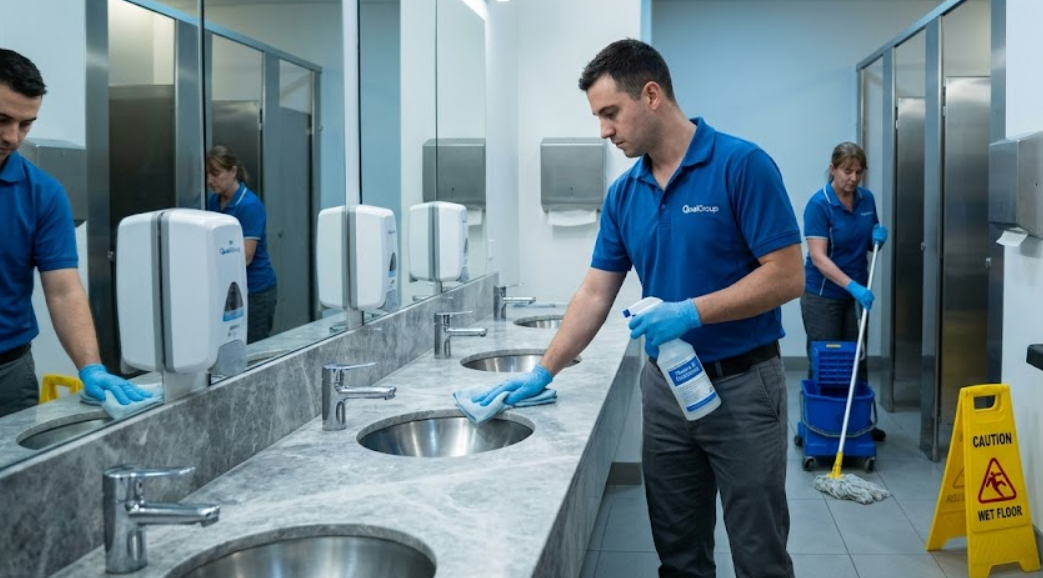
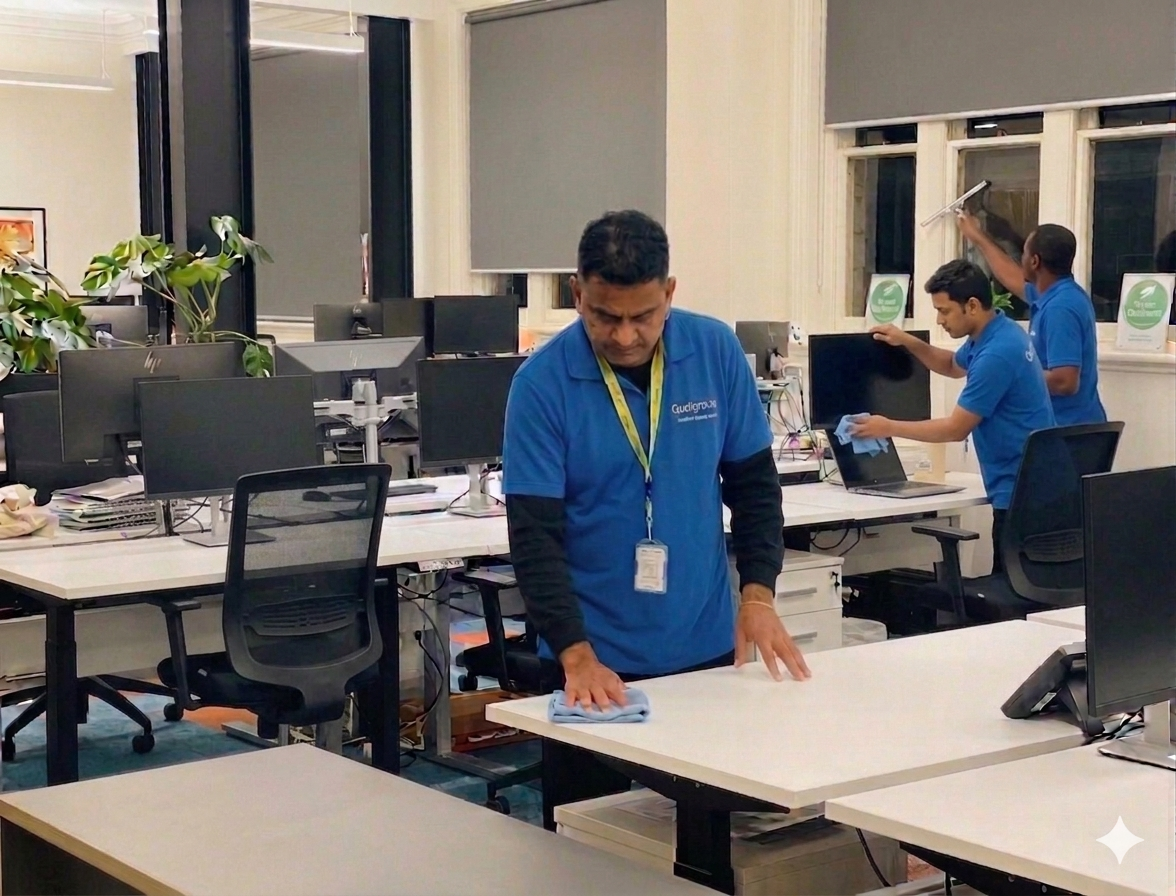
Sustainable cleaning is as much about technique as it is about products. Microfibre systems, for example, physically remove dirt and microbes using less water and fewer chemicals. Microfiber cloths are more effective at dusting and wiping surfaces than traditional paper towels. Controlled chemical dosing prevents overuse while ensuring consistent outcomes.
When applied correctly, steam cleaning provides effective sanitation for certain surfaces without chemical residues. Modern cleaning solutions increasingly use naturally occurring enzymes and beneficial bacteria to break down dirt and odors. Integrating energy-efficient tools and modern cleaning solutions into sustainable cleaning routines helps reduce resource consumption while maintaining high hygiene standards, proving that green cleaning practices can be both efficient and effective.
Green Cleaning Innovations Shaping the Industry
The cleaning industry is experiencing a wave of innovation as businesses seek greener, more sustainable solutions. Green cleaning products, made from natural and biodegradable ingredients, are replacing conventional options that can harm both people and the environment. These eco-friendly cleaning products are designed to deliver powerful results without the use of harsh chemicals, helping to minimize the environmental impact of commercial cleaning.
Advancements in equipment are also making a difference. Energy-efficient equipment, such as steam cleaners, uses less water and power while providing deep cleaning and sanitisation. Microfiber cloths have become a staple in sustainable cleaning methods, as they trap dirt and microbes more effectively than traditional materials, reducing the need for chemical cleaners and disposable wipes. By incorporating these green cleaning techniques and routines, businesses can reduce waste, improve operational efficiency, and support a healthier environment for everyone who enters their facilities.
Sustainable Practices Beyond Products
Eco-friendly commercial cleaning also depends on operational choices. Introducing practical strategies—such as recycling programmes, concentrated chemical systems, and energy-efficient equipment—significantly reduces environmental impact and supports a greener future.
Conducting sustainability audits and regular audits of current cleaning practices helps identify high-waste areas and measure progress in reducing resource consumption. These practical strategies not only support compliance with sustainability expectations and procurement standards for New Zealand businesses, but also contribute to a sustainable future and a healthier, greener future for all. Sustainable workplace cleaning is not separate from compliance—it actively supports it.
Business Benefits of Eco-Friendly Commercial Cleaning
Healthier workplaces come first. Lower chemical exposure reduces irritation and supports well-being, while effective surface hygiene helps limit the transmission of illness.
Brand reputation and ESG alignment follow naturally. Businesses that prioritise environmentally responsible cleaning demonstrate accountability to staff, clients, and stakeholders, an increasingly important factor in NZ procurement decisions.
Cost efficiency over time is often overlooked. Reduced waste, longer asset life, and efficient chemical use mean sustainable cleaning frequently costs less over the long term.
Finally, regulatory peace of mind matters. Eco-friendly commercial cleaning supports obligations under the Health and Safety at Work Act 2015 by managing chemical exposure and maintaining safe indoor environments.
How QualGroup Delivers Sustainable Results
Eco-friendly cleaning fails when it’s superficial. Without systems, training, and accountability, “green” quickly becomes inconsistent.
At QualGroup, sustainability is embedded into our processes—from documentation and audits to ongoing quality checks. This approach is especially important for healthcare and high-risk environments, where cleaning must align with the Ministry of Health’s infection prevention and control guidance.
Our teams work across regions, including Hamilton, Tauranga, and Rotorua, adapting sustainable cleaning plans to each site’s risks and requirements.
“We love that you use eco-friendly cleaning products, which align with our commitment to sustainability.” – Client Feedback
High-Performance Cleaning for a Healthier Workplace
QualGroup’s High-Performance Cleaning (HPC) framework integrates hygiene, sustainability, and risk management into a single, structured approach:
-
- Healthy cleaning (Cleaning for Health): Uses non-toxic, low-VOC products and advanced techniques to reduce chemical exposure, supporting staff wellbeing and safer indoor environments.
- Hygienic cleaning: Focuses on high-touch points using effective disinfectants and defined protocols to reduce the spread of illness and maintain consistently sanitised spaces.
- Sustainable cleaning: Applies eco-friendly products and resource-efficient practices to minimise environmental impact while maintaining high hygiene standards.
- Ethical cleaning: Ensures fair labour practices, responsibly sourced products, transparency, and respect for people and the environment across all cleaning operations.
- Secure cleaning: Protects privacy and sensitive information through vetted staff, restricted access, proper training, and strict confidentiality protocols.
Together, these principles ensure workplaces are not just visually clean, but measurably healthier, safer, and more resilient over time.
Is Eco-Friendly Cleaning Right for Every Business?
Two myths often come up: that green cleaning isn’t effective or that it costs too much. In reality, professionally delivered eco-friendly cleaning meets hygiene standards across a wide range of workplaces, including offices, healthcare facilities, retail, and hospitality. Eco-friendly commercial cleaning is not just a trend—it is now an essential and sustainable practice for modern businesses.
The key is professional execution. When sustainability is backed by training, systems, and oversight, performance does not suffer—it improves.
Sustainable Commercial Cleaning That Protects People and Performance
We deliver sustainable, eco-friendly cleaning that protects your people and reputation. At QualGroup, our mission is simple: to run the best quality cleaning services in New Zealand so every building is healthier than when we arrived.
If you’re reviewing your current cleaning approach or exploring eco-friendly commercial cleaning, a conversation with us is your first step. You can get in touch here to discuss a sustainable cleaning plan that supports your people, your compliance obligations, and your long-term goals—without compromise.
Frequently Asked Questions
-
- What is eco-friendly commercial cleaning?
A professional approach that uses low-toxicity products, efficient methods, and trained staff to protect health and the environment. - Does green cleaning improve indoor air quality?
Yes. Reduced VOCs and residues support healthier indoor environments, consistent with WorkSafe NZ guidance. - Is eco-friendly cleaning more expensive?
Not over time. Reduced waste, fewer health issues, and asset protection often lower long-term costs. - Can sustainable cleaning meet hygiene standards?
Absolutely—when delivered professionally and aligned with Ministry of Health guidance. - How do I know if my cleaner is truly eco-friendly?
Look for verified products, documented systems, staff training, and transparent reporting.
- What is eco-friendly commercial cleaning?