Commercial cleaning happens where your employees, students, patients, and visitors spend their days. In offices, schools, medical centres, and childcare facilities across New Zealand, maintaining hospital-grade standards for hygiene and safety directly affects health outcomes, productivity, and trust. Client feedback and reviews are one of the fastest ways to improve cleaning services and maintain these high standards.
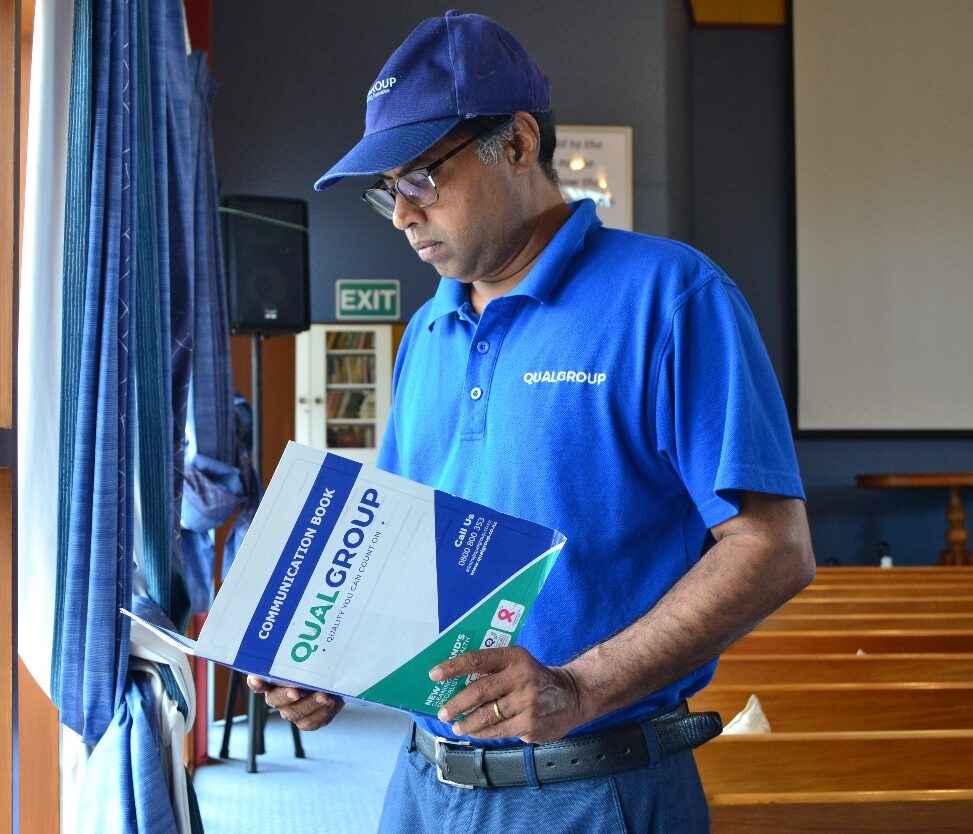
At QualGroup, we encourage our clients to provide feedback through different channels such as communication books, site visits by our operations managers, and regular surveys. We take feedback seriously and use it to continuously improve our services. When feedback requires action, it is managed through our structured ticket system, ensuring issues are addressed promptly. This approach helps us minimise repeat issues, resulting in fewer follow-up complaints and improved client satisfaction.
This article will show facility and property managers how client feedback improves cleaning quality, builds operational consistency, and creates stronger relationships with your cleaning partner over time.
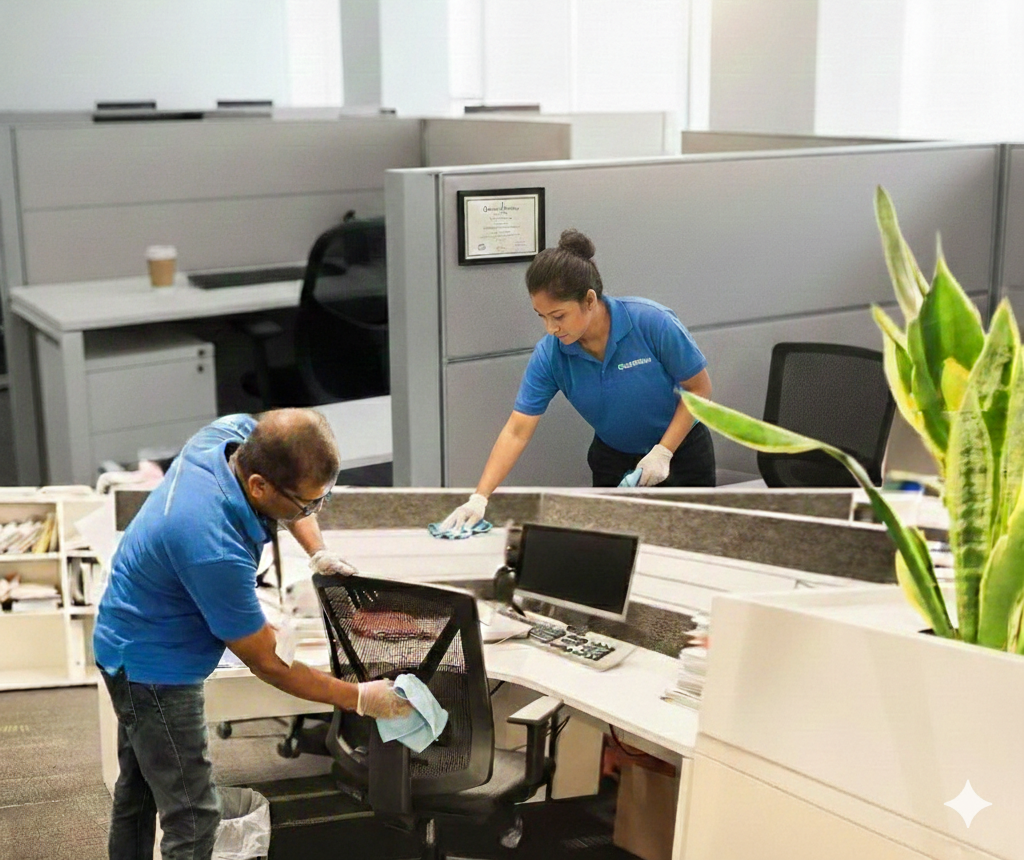
Why Client Feedback Matters in Commercial Cleaning Services
Once this feedback is captured, it becomes a powerful tool for improvement. Cleaning teams can adjust schedules, refine processes, and improve staff training. Over time, this leads to more consistent service, fewer repeat issues, and better overall results.
Regular feedback also strengthens the relationship between the client and the cleaning provider. Clear communication builds trust, ensures expectations are aligned, and becomes especially important in environments like healthcare and childcare, where standards must always be high.
What Types of Client Feedback Should Commercial Cleaning Companies Use?
1. Online Reviews and Public Testimonials
Online reviews include Google Business Profile ratings, Facebook testimonials, and case studies on company websites. For facility managers searching for “cleaning services Tauranga” or “commercial cleaning Rotorua,” positive reviews mentioning specific outcomes like reduced absenteeism or fast spill response help shortlist reliable providers.
Decision-makers should look for reviews that mention consistent quality inspections, great communication, and how companies handle problems. QualGroup uses verified client testimonials from Rotorua office buildings and Bay of Plenty schools to demonstrate real results. Responding professionally to both positive reviews and negative reviews shows accountability and commitment to service recovery.
2. Direct Client Feedback: Day-to-Day Communication
Most operational improvements come from direct channels: emails, service request logs, on-site communication books, and quick conversations. QualGroup uses communication books and digital job notes so facility managers can flag missed bins, spillages, or access issues in real time.
Consider this scenario: an office manager in Mount Maunganui notices meeting rooms aren’t being vacuumed frequently enough and logs this in the site communication book. The cleaning supervisor reviews it that evening and adjusts the schedule the same week. This kind of clear communication resolves minor concerns before they escalate.
3.Customer Satisfaction Surveys and Structured Reviews
QualGroup uses periodic GAP (Good, Average, Poor) checks and formal review meetings to cross-check internal quality inspection scores with client perceptions. When aggregated surveys revealed multiple Bay of Plenty sites rating communication slightly lower than other metrics, we standardised supervisor check-in phone calls, improving satisfaction scores within two quarters.
How Professional Cleaning Companies Use Feedback to Improve Operations
QualGroup’s HPC methodology is built to translate client feedback into process updates. The following examples show how feedback changes day-to-day cleaning in offices, schools, healthcare facilities, and childcare centres.
Adjusting Schedules, Task Lists, and Site Specifications
When a Tauranga retail store reported afternoon litter build-up at entrances, QualGroup added a mid-afternoon touchpoint clean to the schedule. Revising task lists based on feedback, such as more frequent kitchen sanitising during flu season or extra focus on touchpoints in ECE centres, directly improves hygiene outcomes. Any change driven by feedback should be documented in the site specification so expectations are clear and measurable.
Improving Training and Supervision Through Feedback
At a medical centre in Rotorua, repeated feedback about sharps container awareness led to an additional health and safety briefing for that site’s team. Supervisors deliver on-site coaching after feedback, with demonstrations and follow-up checks. This process ensures employees maintain hospital-grade standards and take pride in delivering an amazing job.
Turning Feedback into Continuous Improvement
Continuous improvement follows a Plan-Do-Check-Act cycle, which is essential for cleaning contracts that run for years. The process works as follows: collect feedback through multiple channels, classify issues by type, investigate root causes, implement changes, then monitor and confirm improvement.
Here’s a detailed example: complaints about washroom odours in an Hamilton office led to an investigation revealing drain build-up. The response included drain cleaning, a product change to speciality cleaning chemicals, and increased inspection frequency. Follow-up feedback confirmed the issue was resolved. These action plans were then documented and applied to similar sites across the portfolio.
How Feedback and Reviews Build Long-Term Client Relationships
Several school and ECE clients in the Bay of Plenty have stayed with QualGroup over multiple contract cycles because issues were always addressed quickly and openly. When a feedback culture is established, honest conversations about budget limits, priorities, and specific areas of risk become easier.
Feedback connects directly to measurable outcomes: fewer complaints from building occupants, improved audit results, satisfied staff, and easier contract renewals. This approach helps build stronger relationships that benefit both clients and the cleaning company.
Why Reviews Matter When You’re Choosing a Cleaning Company
Ask shortlisted providers for recent references from similar sites, whether medical clinics, multi-level offices, or childcare centres. How a company approaches feedback during the tender process, including willingness to customise, clarity of reporting, and proposed KPIs, often predicts future performance.
QualGroup’s structured HPC methodology, QualClean Academy training, and transparent quality inspection process demonstrate the commitment to exceptional service that new clients should expect from any professional cleaning partner.
Conclusion and Next Steps
Client feedback is not criticism. It’s a strategic tool for continuously improving cleaning standards, safety, and occupant wellbeing. Companies that actively collect, analyse, and act on reviews deliver more reliable, top-notch cleaning services than those operating without this system.
Facility managers should formalise feedback processes in cleaning contracts and choose partners who welcome transparent review. If you’re ready to see how feedback-driven High-Performance Cleaning could benefit your workplace, schedule a free site audit and hygiene assessment with QualGroup.
Together, we can build cleaner, healthier workplaces across New Zealand, from Auckland CBD offices to Bay of Plenty schools and healthcare clinics, through partnership and continuous improvement.
FAQs: Client Feedback and Cleaning Service Quality
Monthly informal check-ins help catch issues early before they escalate. Quarterly formal reviews using satisfaction surveys or site meetings allow you to track patterns and measure improvement over time. QualGroup combines both approaches, with supervisors conducting regular contact with facility managers and formal quarterly reviews that capture data on key performance indicators.
Use agreed channels such as email, site communication books, or digital portals. Be specific about the issue, location, and timeframe. Photos are appreciated where appropriate. Request a follow-up confirmation so you know the feedback has been received and actioned. Constructive criticism delivered clearly helps teams act quickly.
Look for documented action plans, updated site specifications, inspection reports, and visible changes on-site. Companies that genuinely value feedback will share insights on what they changed and why. Request regular reporting that tracks issues raised against resolutions completed.
Yes. Feedback drives improvements like increased touchpoint cleaning, better chemical selection, and stronger staff training. In healthcare and childcare settings especially,input from occupants and managers helps identify specific areas needing attention, leading to measurable reductions in infection risk.